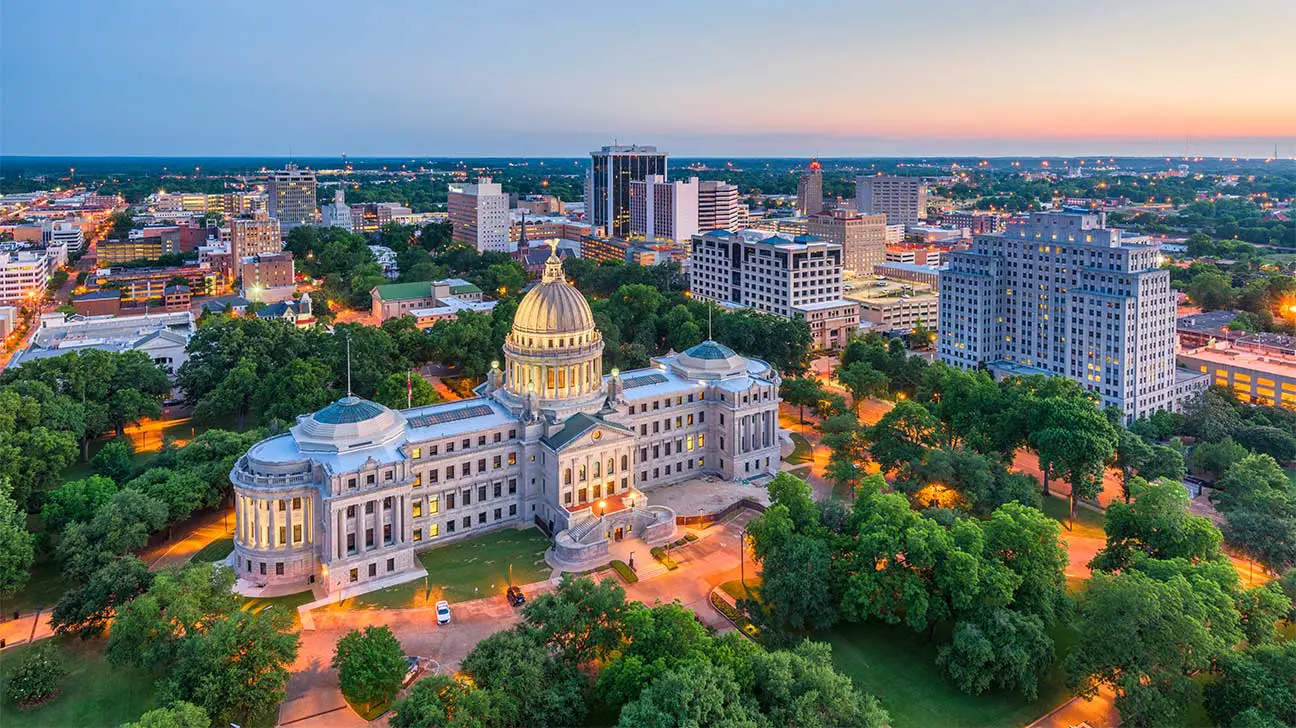
Getting reputable drug and alcohol addiction treatment can be costly. Luckily, there are many options in the state of Mississippi for people seeking low or no-cost drug rehab centers.
Free rehab programs in Mississippi are either funded through block grants, donations, and other private or state funding sources.
Other treatment centers may require clients to obtain health insurance through Medicare or the state Medicaid program to get free care.
List Of Free Addiction Treatment Centers In Mississippi
The following free drug rehab programs were chosen based on criteria such as accreditation status, Google ratings, positive client testimonials, and other accolades.
1. Alliance Health, Meridian, Mississippi
This drug and alcohol rehab program accepts Medicare, Medicaid, and Tricare insurance for people seeking free and low-cost addiction treatment.
This drug and alcohol rehab center offers:
- inpatient treatment
- intensive outpatient programs (IOP)
- partial hospitalization programs (PHP)
- detoxification
- aftercare
This facility features high Google ratings, accreditation from the Joint Commission, and licensure from the state of Mississippi.
Location and contact information:
5000 Hwy. 39 N.
Meridian, MS 39301
(601) 483-6211
2. Comprehensive Treatment Center (CTC), Jackson, Mississippi
This opioid use disorder treatment program in Jackson, MS provides medication-assisted treatment (MAT) and counseling for adults 18 and older.
Top qualities of this rehab facility:
- Commission on Accreditation of Rehabilitation Facilities (CARF) accreditation
- a 3.6-star Google rating
- positive client testimonials
People can receive low-cost and free services here through Tricare, Medicaid, and Medicare coverage, as well as block grant funding from the state or federal government.
Location and contact information:
1935 Lakeland D.
Ste. 900
Jackson, MS 39216
(855) 334-9541
3. Life Help, Lexington, Mississippi
At this drug and alcohol treatment center, you can find a wide range of behavioral health services. This facility is funded and certified by the Mississippi Department of Mental Health.
Treatment options include:
- 24-hour residential treatment plans
- intervention services for adolescents
- relapse prevention
- telehealth therapy
Fees for service are based on a sliding scale according to income and number of dependents. Medicaid, Medicare, and many private insurances are also accepted here.
Location and contact information:
328 Depot St.
Lexington, MS 39095
(662) 832-1709
4. Mississippi State Hospital, Whitfield, Mississippi
Mississippi State Hospital is a free, publicly funded behavioral health program of the Mississippi Department of Mental Health.
Treatment services offered here include:
- inpatient rehab
- detoxification
- motivational interviewing
- relapse prevention
- trauma-related counseling
- aftercare
This treatment center is backed by accreditation from the Joint Commission and positive reviews from past clients.
Location and contact information:
1415 College Dr.
Meridian, MS 39307
(601) 483-4821
5. Pine Belt, Hattiesburg, Mississippi
Pine Belt offers free specialized recovery services in Hattiesburg, MS for children, adults, and the elderly with alcohol use disorders or chemical dependency issues.
Treatment programs may include cognitive behavioral therapy (CBT), 12-step programs, trauma-related counseling, and more.
Pine Belt is backed by CARF accreditation and certification by the State of Mississippi Department of Mental Health (DMH).
Location and contact information:
103 S. 19th Ave.
Hattiesburg, MS 39401
(601) 544-4641
6. Region 8 Mental Health Center, Hazlehurst, Mississippi
Region 8 Mental Health Centers offers inpatient and outpatient treatment. Treatment services include counseling, prevention services, and aftercare services.
People looking for free or low-cost care may utilize federal block grant funds or use Medicaid health insurance to cover the cost of treatment.
This facility is backed by a 4.5-star Google rating and positive testimonials from past clients.
Location and contact information:
1019 Carroll Dr.
Hazlehurst, MS 39083
(601) 894-2018
7. Weems Community Mental Health Center, Raleigh, Mississippi
Weems offers free and low-cost residential and outpatient treatment for substance use disorders including detox, counseling, and recovery support services.
This facility is licensed by the Mississippi Department of Mental Health, and accepts health insurance providers such as Medicare and Medicaid.
Location and contact information:
355 MS-37
Raleigh, MS 39153
(800) 803-0245
Ways To Access Free Drug Rehab Programs In Mississippi
There are several ways to access free and low-cost addiction recovery treatment in Mississippi through state-financed health insurance, grant funds, and other funding options.
Mississippi Medicaid
Mississippi Medicaid is a health insurance program for low-income people, disabled people, children, and the elderly.
Depending on a number of factors, including family size and income level, people may qualify for full Mississippi Medicaid health benefits, reduced coverage, or limited benefits.
Learn more about using Mississippi Medicaid for substance abuse treatment.
Government Grant Funding In Mississippi
Another way to receive free drug rehab treatment is by attending a program that receives federal and state grant funding for substance use treatment, such as a Mississippi state-funded rehab center.
Some federal grants include:
- Substance Abuse Prevention and Treatment Block Grant (SABG) — The SABG block grant is provided to all states in the U.S. Mississippi alone received over 35 million funds from SABG in 2021.
- Community Mental Health Services Block Grant (MHBG) — The MHBG program targets adults with serious mental illnesses and children with emotional disturbances.
- Projects for Assistance in Transition From Homelessness (PATH) — The PATH grant is designed to support substance use treatment, mental health services, and more to people in the homeless community.
Block grant money is awarded to the state and sent to rehab centers for the sole purpose of covering the cost of treatment for people in need of financial assistance.
Are There Other Low-Cost Drug Rehab Options In Mississippi?
There are other ways to get free and low-cost care if you don’t currently qualify for Medicaid or don’t have access to a facility that has block grant funding.
Other ways to receive free or affordable addiction treatment include:
- attending a faith-based rehab center
- private health insurance coverage
- using a sliding fee scale based on income
- going to a state-run rehab program in Mississippi
Additionally, some rehab centers offer payment assistance or payment plans so you can pay for treatment in affordable installments.
Some non-profit rehab centers may not charge for drug and alcohol treatment, but may ask for a small donation upon admission to help cover boarding costs.
FAQs For Free Rehab Facilities In Mississippi
See below for more useful information on free drug rehab options in Mississippi.
Are There Free Rehab Programs In Mississippi For Pregnant Women?
Some Mississippi rehab centers provide treatment services specifically for pregnant women and women with young children.
Are State-Funded Rehab Centers In Mississippi Free Of Charge?
Most of the state-funded rehab centers in Mississippi will not charge anything out-of-pocket.
Are There Free Spanish-Speaking Rehab Centers In Mississippi?
There may be rehab programs in Mississippi that offer bilingual rehabilitation for Spanish-speaking people that are also low-cost or free.
Find Free Substance Abuse Treatment In Mississippi
Whether you or your loved ones reside in Biloxi, Gulfport, or Gulf Coast, you can find affordable rehabilitation centers throughout the state of Mississippi.
Call our toll-free helpline today for assistance in finding a drug addiction treatment facility. Our team can also provide you with a referral for medical advice.
Updated on July 14, 2022
Addiction Resource aims to provide only the most current, accurate information in regards to addiction and addiction treatment, which means we only reference the most credible sources available.
These include peer-reviewed journals, government entities and academic institutions, and leaders in addiction healthcare and advocacy. Learn more about how we safeguard our content by viewing our editorial policy.
- Mississippi Division of Medicaid — Who Qualifies for Coverage?
https://medicaid.ms.gov/medicaid-coverage/who-qualifies-for-coverage/ - Substance Abuse and Mental Health Services Administration (SAMHSA) — Find Treatment
https://findtreatment.gov - Substance Abuse and Mental Health Services Administration (SAMHSA) — Mississippi Summaries FY 2021
https://www.samhsa.gov/grants-awards-by-state/MS/2021