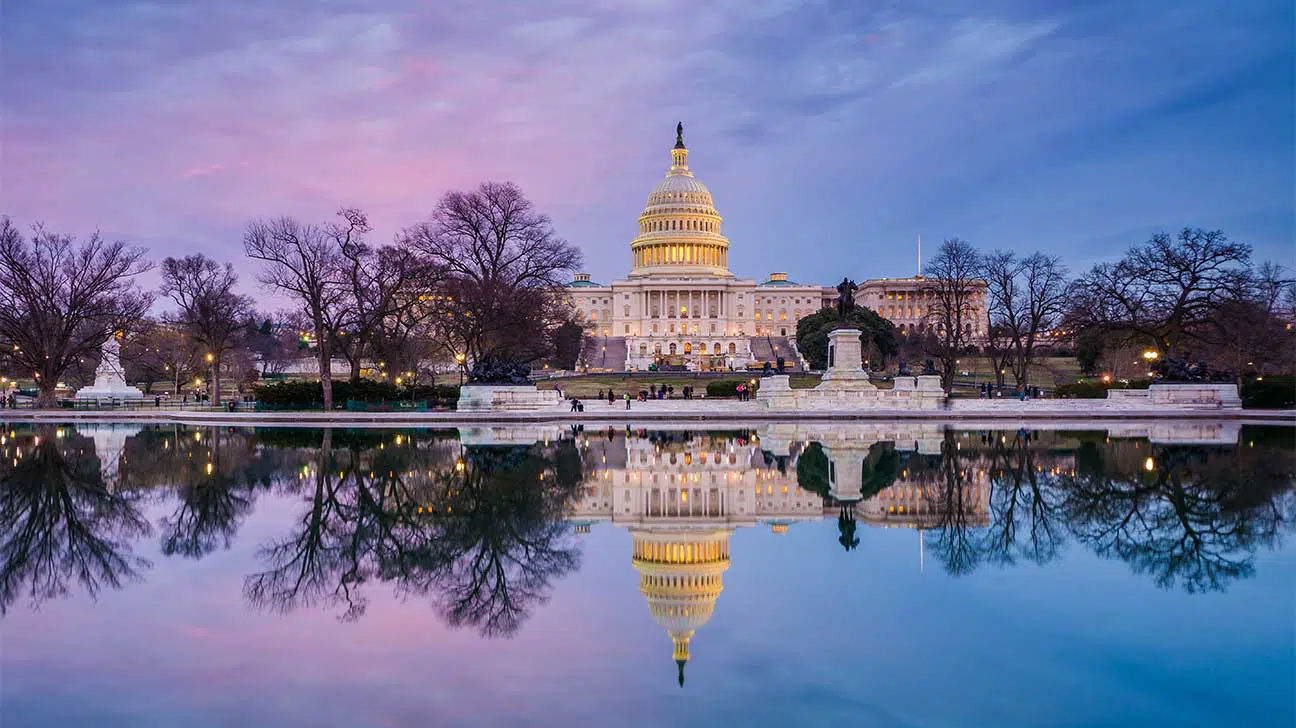
Finding affordable addiction treatment in Washington, D.C., can feel overwhelming for those with substance abuse, especially when financial barriers stand in the way of getting help. The good news is that the nation’s capital offers multiple options for people who need drug and alcohol treatment but can’t afford expensive private rehab programs. Whether someone has no income, limited insurance, or is simply looking for low-cost care, there are resources available to help them start their recovery journey.
This guide provides information about free and affordable rehab centers in Washington, D.C., including the services they offer, how they’re funded, and how individuals can access the treatment they need.
Paid advertisements may appear on this page and are always clearly identified.
Washington, D.C.
#1 The Better Way Program
The Better Way Program is a faith-based rehab facility for adults seeking to conquer their drug or alcohol addiction. The program was founded in 1989 and incorporated in 1996 under Pilgrim Rest Baptist Therapeutic Services.
Treatment plans here aim to meet the physical, mental, emotional, and spiritual needs of clients facing addiction. Programs provide spiritual support and incorporate faith and religion in the recovery process.
Show MoreThe Better Way Program is a faith-based rehab facility for adults seeking to conquer their drug or alcohol addiction. The program was founded in 1989 and incorporated in 1996 under Pilgrim Rest Baptist Therapeutic Services.
Treatment plans here aim to meet the physical, mental, emotional, and spiritual needs of clients facing addiction. Programs provide spiritual support and incorporate faith and religion in the recovery process.
Clients can access many services that encompass various levels of outpatient care, addiction education, recovery support and coaching, case management, and more.
Family and marital support services help children, parents, couples, and guardians in recovery develop personal and family skills.
Clients also engage in substance-free activities that help them build friendships and other social support and learn how to have fun in sobriety.
Washington, D.C.
#2 Hillcrest Children And Family Center
Hillcrest Children and Family Center has been offering mental health services and social services since 1815. Today, this includes drug addiction treatment programs, adolescent services, family support, employment counseling, and much more.
The facility offers counseling for individuals, groups, and families to resolve symptoms of behavioral, emotional, social, and cognitive disorders.
Show MoreHillcrest Children and Family Center has been offering mental health services and social services since 1815. Today, this includes drug addiction treatment programs, adolescent services, family support, employment counseling, and much more.
The facility offers counseling for individuals, groups, and families to resolve symptoms of behavioral, emotional, social, and cognitive disorders.
Hillcrest provides a trauma-informed approach to recovery from substance use and mental health disorders, helping clients overcome their difficult pasts and thrive. Community support through case management services promotes recovery, self-reliance, and self-sufficiency to help clients manage drug-related symptoms. Women, including pregnant and parenting women, facing opioid use disorder (OUD) can find gender-specific services and pregnancy or parenting support. Telehealth services are also available for clients who cannot, or prefer not to, leave their homes.
Hillcrest uses an income-based sliding fee scale to determine rates. Services will not be denied due to an inability to pay.
Washington, D.C.
#3 New Hope Health Services
New Hope Health Services is a core services agency that focuses on mental health care for adults ages 18 and over. The facility offers a multidisciplinary team of experienced professionals, including psychiatrists, registered nurses, and licensed clinical social workers.
Addiction services include diagnostic assessments, trauma-informed therapy, crisis intervention, detoxification, anger management, individual therapy, and prevention services. Other services include life skills and coping strategies education, community support, and counseling.
Show MoreNew Hope Health Services is a core services agency that focuses on mental health care for adults ages 18 and over. The facility offers a multidisciplinary team of experienced professionals, including psychiatrists, registered nurses, and licensed clinical social workers.
Addiction services include diagnostic assessments, trauma-informed therapy, crisis intervention, detoxification, anger management, individual therapy, and prevention services. Other services include life skills and coping strategies education, community support, and counseling.
New Hope’s website offers a wide range of resources for clients and potential clients to utilize, including helplines for crises, suicide prevention, caregivers in need of support, and other needs.
Clients can be referred to this facility by a loved one, a mental health professional, or self-refer.
No one will be denied access to services due to inability to pay. There is a discounted and/or sliding fee schedule available when applicable.
Washington, D.C.
#4 Regional Addiction Prevention , Inc. (RAP)
RAP is an addiction treatment provider that has been operating in Washington, D.C., since 1970. Every year, RAP helps more than 1,000 people, providing addiction treatment, housing assistance, mental health care, HIV services, and more.
The full continuum of addiction care here is guided by a philosophy of mutual concern, responsibility, research, and community action, with both short-term and long-term treatment options available for adults with substance use and co-occurring mental health disorders.
Show MoreRAP is an addiction treatment provider that has been operating in Washington, D.C., since 1970. Every year, RAP helps more than 1,000 people, providing addiction treatment, housing assistance, mental health care, HIV services, and more.
The full continuum of addiction care here is guided by a philosophy of mutual concern, responsibility, research, and community action, with both short-term and long-term treatment options available for adults with substance use and co-occurring mental health disorders.
People admitted into RAP’s residential treatment program receive full medical, psychiatric, and behavioral health diagnostic assessments and work together with members of their care team to develop a treatment plan.
Clients stay in gender-specific assigned rooms, eat meals in the community dining room, and adhere to a structured daily program. Individual and group therapy sessions take place daily, as well as a variety of other activities and programs designed to improve coping and social skills.
Washington, D.C.
#5 Samaritan Inns, Washington
For the past 40 years, Samaritan Inns has been committed to battling homelessness and addiction in Washington, D.C. In that time, its programs have helped more than 16,000 D.C. residents.
Samaritan Inns’ intensive addiction treatment programs provide a proven holistic approach to addiction recovery. The programs provide homeless men and women with healing services in a structured environment of support and accountability to allow them to rebuild their lives.
Show MoreFor the past 40 years, Samaritan Inns has been committed to battling homelessness and addiction in Washington, D.C. In that time, its programs have helped more than 16,000 D.C. residents.
Samaritan Inns’ intensive addiction treatment programs provide a proven holistic approach to addiction recovery. The programs provide homeless men and women with healing services in a structured environment of support and accountability to allow them to rebuild their lives.
Clients receive education and tools to confront addictive behaviors, learn the 12-steps of Alcoholics/Narcotics Anonymous, and benefit from individual and group counseling sessions and case management.
Short-term residential treatment requires a minimum of 25 hours of weekly counseling services focused on the early stage of recovery. Long-term recovery serves as a transition point for people working toward housing, with the average time spent in this program ranging from six months to two years.
Washington, D.C.
#6 Whitman-Walker Health, Washington D.C.
For over 50 years, Whitman-Walker has been part of the local D.C. and national community as a first responder and healthcare provider. Through care, advocacy, research, and education, the organization strives to ensure all persons can live healthy lives. This includes by providing behavioral health services, including addiction treatment, primary care, adolescent services, and more.
The behavioral health care team here includes licensed social workers, professional counselors, marriage and family therapists, and psychologists. It also includes medical doctors, nurse practitioners, and highly trained peers and graduate interns.
Show MoreFor over 50 years, Whitman-Walker has been part of the local D.C. and national community as a first responder and healthcare provider. Through care, advocacy, research, and education, the organization strives to ensure all persons can live healthy lives. This includes by providing behavioral health services, including addiction treatment, primary care, adolescent services, and more.
The behavioral health care team here includes licensed social workers, professional counselors, marriage and family therapists, and psychologists. It also includes medical doctors, nurse practitioners, and highly trained peers and graduate interns.
An assessment and referral process will get clients started on the path to recovery, with staff determining each client’s needs and goals and recommending specific care. Services include gender-affirming counseling, group psychotherapy, peer support services, medication treatment, and harm reduction.
Peer support services include support groups for LGBTQ+ people to help meet their unique needs in recovery.
Ways To Access Free Rehab Programs In Washington D.C.
Washington, D.C., residents have several pathways to access free or low-cost addiction treatment, ensuring that financial limitations don’t prevent anyone from getting the help they need.
DC Medicaid
DC Medicaid is a government-funded healthcare program that covers medical expenses for eligible low-income residents of the District of Columbia. For those who qualify for full Medicaid benefits, the program pays participating healthcare providers, including addiction treatment centers, directly for their services. To be eligible, individuals must be D.C. residents, have no other health insurance coverage, and meet the income requirements set by the program.
Once enrolled, people can access a wide range of behavioral health and addiction treatment services either completely free or at minimal cost, depending on their specific situation.
Government Grant Funds
Many rehab facilities in Washington, D.C., receive federal grant money that allows them to offer free or heavily discounted treatment to people without insurance or with very low incomes. The largest source of this funding is SAMHSA’s Substance Use Prevention, Treatment, and Recovery Services Block Grant (SUBG). In 2023 alone, the District of Columbia received nearly $3.8 million through the SUBG program and over $50 million in total SAMHSA funding. Treatment centers that receive these grants can use the money to provide services at no cost to qualifying individuals.
Additional ways to access free drug and alcohol treatment include:
- using Medicare health insurance coverage
- arranging a payment assistance plan directly with the facility
- attending faith-based rehab centers that operate on donations
- enrolling in state-run drug rehab facilities in Washington, D.C.
- qualifying for a sliding fee scale that adjusts costs based on income and household size
People in Washington, D.C., can also attend a rehab facility that receives federal grant funding. These facilities can potentially provide free treatment plans to qualifying people without health insurance or living on low incomes.
Treatment Services Offered In Free Addiction Treatment Facilities
Free and low-cost rehab centers in Washington, D.C., offer comprehensive, evidence-based treatment programs designed to help people achieve long-term recovery from drug and alcohol addiction. These facilities provide the same quality care as many private treatment centers, just at a fraction of the cost or completely free for those who qualify.
Examples of drug addiction treatment services include:
- dual diagnosis treatment for co-occurring mental health disorders
- residential inpatient treatment programs with 24/7 support
- flexible outpatient treatment options
- individual and group counseling sessions
- referrals to specialized treatment programs
- sober living and transitional housing assistance
- personalized treatment plans tailored to each person’s needs
- medication-assisted treatment for opioid addiction
- specialized programs for young adults and adolescents
- aftercare and continuing support services
FAQs About Free Substance Abuse Treatment Centers
The commonly asked questions below may help you narrow your search for a free drug rehab center that works for you.
How Do I Know If A Free Rehab Center Accepts Medicaid Insurance?
You can verify what types of insurance a facility accepts by visiting their website or calling their phone number.
Do Free Recovery Centers Offer Gender-Specific Services?
Yes, many facilities will offer separate accommodations and addiction treatment programs for women and men.
Do Free Drug Rehab Programs Offer Residential Services?
There are several free rehab centers that offer both outpatient services as well as inpatient treatment or residential programs.
Addiction Resource aims to provide only the most current, accurate information in regards to addiction and addiction treatment, which means we only reference the most credible sources available.
These include peer-reviewed journals, government entities and academic institutions, and leaders in addiction healthcare and advocacy. Learn more about how we safeguard our content by viewing our editorial policy.
- Department of Health Care Finance — DC Medicaid
https://dhcf.dc.gov/service/medicaid - Substance Abuse and Mental Health Services Administration (SAMHSA) — District Of Columbia Summaries FY 2022
https://www.samhsa.gov/grants/grants-dashboard?f%5B0%5D=by_award_fy%3A2022&f%5B1%5D=by_state%3ADistrict%20of%20Columbia - Substance Abuse and Mental Health Services Administration (SAMHSA) — Find Treatment
https://findtreatment.gov